
What Is Employee Engagement (& How to Increase It)

Pictured: Avalara’s Global Engineering Town Hall
Employee engagement isn’t just an HR buzzword, it’s a direct reflection of how connected, motivated, and emotionally invested your people are in your company’s purpose. In the most engaged teams, employees show up not just because they have to, but because they want to. They believe in what they’re building. And when engagement is missing? The effects ripple across productivity, retention, and culture.
But real engagement doesn’t come from a survey score or a one-off perk. It’s built over time, with experiences that align people with your brand’s vision and values from the inside out.
Why Employee Engagement Is Important
Essentially, engaged employees are more frequently satisfied and emotionally connected employees. While this is enough of a reason in itself to promote employee engagement, this connection is monumental for the organisation as a whole, with engagement correlating with lower turnover, better performance, stronger collaboration, and higher innovation. In fact, 2025 Gallup research has shown that engaged employees lead to 23% greater profitability.
The reverse is also true: disengagement costs companies time, talent, and trust. That’s why a thoughtful approach to engagement isn’t a feel-good initiative. It’s a business advantage.
What Employee Engagement Looks Like in a Modern Workplace
The way we work has changed, and so have the expectations around connection. In remote and hybrid environments, proximity no longer drives engagement. Culture, communication, and clarity do. Employees want to feel:
Connected to the purpose behind the brand
Aligned with values and vision
Seen and heard by leadership
Supported in how they work — not just where
This shift means that employee engagement now sits at the intersection of internal branding, employee experience (EX), and human-centered design.
How to Increase Employee Engagement: 7 Experience-Driven Strategies
The best way to grow employee engagement ia through carefully-crafted moments that leave the team feeling connected and valued. These seven experience-driven strategies are designed to energise teams to move beyond surface-level perks and build engagement from the inside out.
1. Start with Purposeful, Brand-Led Onboarding
The onboarding experience sets the tone. Move beyond policy downloads and welcome new hires with storytelling, creative immersion, and meaningful rituals that reflect your company culture.
2. Create Moments that Align with Mission
Whether it’s a team summit or an all-hands event, design internal gatherings that reinforce your brand values and allow space for genuine connection.
3. Build Rituals Over Routines
Weekly team rituals, creative prompts, or opening check-ins might seem small. But done consistently, they create rhythm and emotional engagement.
4. Make Internal Comms Two-Way and On-Brand
Don’t default to sterile emails. Use your brand voice, visuals, and tone, creating formats where employees can contribute and share.
5. Use Environment as a Creative Tool
Physical spaces matter, even for distributed teams. Whether it’s a pop-up HQ, a virtual brand space, or thoughtful design moments, the environment influences emotion.
6. Recognise People in Meaningful Ways
Go beyond generic employee-of-the-month awards. Tailor recognition to what actually matters to your teams: growth, values-alignment, impact.
7. Surprise and Delight with Intention
From micro-gifts to shoutouts to immersive experiences, unexpected moments keep energy high and remind people they’re valued.
Creative Examples of Employee Engagement in Action
Real employee engagement isn’t always loud — but it is intentional. At Cogs & Marvel, we’ve helped companies create immersive internal experiences that reinforce culture, energise teams, and align people with brand purpose.
Here’s how that looked in practice:
Pinterest: Reconnecting Teams Through Sensory Storytelling

In a post-pandemic context of hybrid work, Pinterest partnered with Cogs & Marvel to create a shared, in-person experience that sparked team reconnection. We designed an experiential dining event where each course told a story tied to the brand's values and creative spirit. This tactile, sensory-led moment created s a brand experience that brought teams together, reinforced shared purpose, and made employees feel reconnected in a meaningful way.
Monument Valley III: Bringing Creative Purpose into the Room
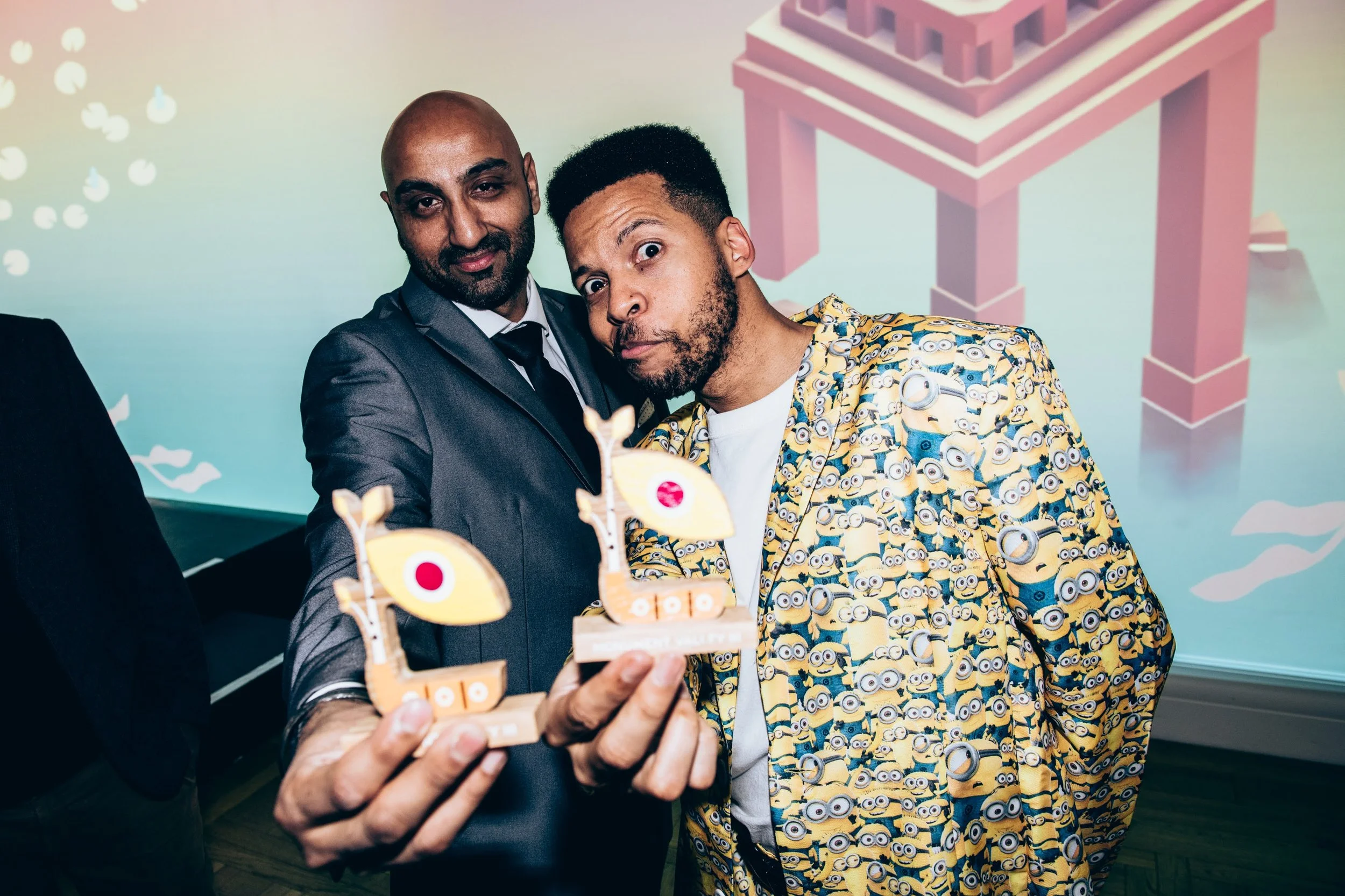
The team behind Monument Valley III, many of whom had only ever collaborated remotely, came together for the first time through a summit designed by Cogs & Marvel. The experience was set in an environment that reflected the brand’s design values and celebrated the craft behind the game. With time and space to connect, reflect, and create together, the team deepened trust and alignment. This shows how employee engagement can be reignited through immersive, purpose-led gatherings.
Avalara: Unifying a Global Workforce Around Brand Evolution

As Avalara reintroduced itself through a global rebrand, it turned to Cogs & Marvel to activate the change internally. We designed a multi-location, hybrid employee experience that brought clarity, energy, and unity to the new identity. Through branded environments, live interactions, and team rituals, employees were able to live their rebrand, not just hear about it. This helped boost internal buy-in and turn the brand story into a shared mission.
How to Measure Employee Engagement
You can’t improve what you don’t measure. But the trick: blend experiential marketing metrics with meaning.
Quantitative employee engagement tools include:
Engagement surveys (quarterly or pulse-style)
eNPS (employee net promoter score)
Participation rates in programs or events
Internal content consumption rates
But don’t stop there. Some of the best indicators of engagement are also qualitative:
Are people asking thoughtful questions?
Are they contributing to conversations or content?
Are they bringing energy to moments that matter?
What Is an Employee Engagement Survey?
An employee engagement survey is a tool used to gather feedback on how connected, supported, and motivated your people feel. It typically includes scaled questions and open-ended prompts to help organisations identify strengths and areas for improvement. But while surveys are helpful, they only tell part of the story. Ideally, the should be paired with real conversation and creative listening.
Let’s Turn Internal Moments into Brand-Building Experiences.
Whether you’re launching a new internal culture initiative or looking to boost team connection in meaningful ways, we’ll help you create something that resonates and lasts.
Employee Engagement FAQs
What is employee engagement in HR?
Employee engagement in HR refers to how committed, emotionally invested, and motivated employees are to contribute to their organisation’s goals.
Why is employee engagement important?
Employee engagement drives higher performance, lower turnover, better collaboration, and deeper alignment with a company’s purpose and values.
What are some practical ways to increase employee engagement?
Brand-led onboarding, immersive internal events, clear communication, values-based recognition, and creative rituals all help boost engagement.
How do I measure employee engagement effectively?
Use both surveys and observational insights to track participation, sentiment, contribution, and connection, not just scores.
What is an employee engagement survey?
It’s a structured feedback tool that asks employees about satisfaction, motivation, connection, and support, offering data to guide improvements.
How does employee experience differ from employee engagement?
Employee experience is the holistic journey at work. Employee engagement is the emotional connection and motivation within that journey.
Can experiential marketing tactics apply to employee engagement?
Absolutely! Immersive storytelling, sensory design, and audience-first thinking work internally just as well as they do externally.